

Context: The Edmodo Blog was a key component of Edmodo’s ongoing email marketing campaign, filling gaps in the content calendar between announcements and promotions. Blog articles were sent to account holders and posted to social media with a few central goals:
- Provide value to active Edmodo users (Teachers, Parents, and Students)
- Showcase new features to inactive Edmodo users
- Demonstrate thought leadership in the EdTech industry
Contributions: Edits, Review, and Content Management of All Articles. Written Copy of All Articles Shown Below.
Results: Increased followers on Edmodo social media accounts and regular reactivation of inactive users.
5 Tips Teachers Can Use to Practice Self-Care & Set Boundaries

View Article Copy
It’s 5 PM. You need to go home. You need to eat some dinner, take a break, and then dive into some more grading that you know you can’t just finish during your prep.
An email comes in from an admin: They’re going to stop by after class tomorrow to talk about your recent observation periods. You reluctantly add it to your calendar.
Your phone rings. A student is having trouble with the homework and her parents are too busy at their jobs tonight to help. You spend twenty minutes struggling to tutor her over the phone.
You get a text from a co-worker. He can’t figure out how to get files from his flash drive to his Google Drive, even though you’ve explained it twice already. You search the Internet for a few minutes and then send him a link to a support page, hoping that helps him.
It’s almost 6 PM and you’re no closer to finishing your grading. You’re starving. You’re stressed. And you’re already thinking about how you have to be back in the classroom in just over 12 hours. You hope you can get a solid 8 hours of sleep, but you doubt it’ll happen tonight.
If this story sounds all too familiar, you might need to practice more self-care and set more boundaries. Learning when to say no can help the moments when you say yes be much more effective.
Understanding How to Maximize Your Own Value
It can seem cold to tell a student or co-worker that you don’t have the time for them, even when they seem desperate or nobody else looks willing to help. But if this sacrifice ultimately hinders you, making you more tired during your classroom lectures, or delaying your grading, then you could end up hurting your entire class over a few extra minutes with students. Worse still, if too many co-workers see you as the lone reliable and helpful asset, then you’ll end up spending more of your time on their projects than yours.
It’s hard to strike the right balance between helping individuals and making sure that you can complete the tasks that affect all your students, but we hope that the following tips can help you get there.
Set Office Hours
Office Hours aren’t just for college professors. Sure, there are certain expectations set by administrations and other teachers about how long you need to stay at school, but if you have clearly defined Office Hours where students can come to see you if they have trouble, then people won’t expect you to be available at all times.
Pick a place to make yourself available, like your classroom or the school library, and then set a period of time each week to be there. Try considering the timing of your office hours with the due dates for homework and projects as well.
If you can’t find a specific location to have office hours, consider setting up a time at home where you can answer video calls or IMs from interested students or parents.
Keep Communication Asynchronous
Outside of your office hours, don’t give students or parents a direct line of communication with you. Have them send emails or direct messages on Edmodo so you don’t have to give them your phone number.
Then, use some time set aside to answer these questions or comments from students and parents. If you don’t have a lot of visitors or appointments during your office hours, you can use that time for this as well.
Direct, synchronized communication can be helpful, but too much access to it is a one-way ticket to poor boundaries at school.
Use Your Personal Life in the Classroom (Sparingly)
Plenty of us remember the first time we met a teacher outside the classroom, whether it was at the grocery store or the local movie theater. It was usually accompanied by the first time we thought about the teacher outside of the setting of the classroom.
You can use a few stories from your personal life in classroom lectures to gently remind students, especially teenagers, that you have a life outside of school. Talking about visits to the mall and the park, or talking about your family, can show students that you’re not an infinite resource.
Schedule Your Own Breaks
Just like scheduling office hours and your availability, schedule some time where you can’t be interrupted. Maybe it’s half your lunch break where you sit and read a book, or an hour or two at home every week where you catch up on Netflix.
It’s important to make sure you have a break of some kind, otherwise, you risk overworking yourself and your overall teaching ability may suffer. If you find that people are trying to schedule your entire day for you, plot some time for yourself and do something that gives you energy. That way, when you have to go back to work, you won’t be stressing over how little time you have for yourself.
Use Time Off for Self-Reflection
The last thing you want to think about on vacation is work, but that’s exactly why you should use your time off to think about your career goals and performance. Instead of focusing on what happens the first week of the new term, consider what you want to do with your classroom time overall. Ask yourself what went well and what went poorly, then think about what you can change to improve the experience.
Breaks between terms are also an excellent time to connect with colleagues and friends in your professional leaning community (PLC). Collaborate with other teachers and learn about their own self-care practices so you always have a clear understanding of boundaries in your classroom.
Hopefully, you’ve found these tips helpful, and we hope in the new year you have a chance to breathe and take some time for yourself to recharge. If you have any tips about self-care or setting boundaries that weren’t covered here, please feel free to share.
Three Resolutions for Managing Technology in Your Household

View Article Copy
It’s 2017, and the digital world is more interconnected than ever! From innovative social media apps to classroom communication tools, (hello Edmodo) people are more reliant on technology than ever before to communicate and connect with the world around them. This intense connection to our digital devices is particularly the case for our children. With over 84% of kids having access to a device in their home, there is an expectation for our children to have a firm grasp on the latest tech innovations.
While there are many benefits to embracing new technology for your family, using devices in the home can quickly become a slippery slope. Allowing technology to dictate our availability in our personal lives and quickly lead to a disconnected household.
So take charge of your family’s media use this year and create healthy habits with technology for your household.
No devices during family time
A great first step in establishing healthy media habits for your family is removing devices from designated family time. From dinner time to walking the dog, consider outlining the technology-free activities that your family enjoys and make it a rule to keep digital tools out of the picture. You can have everyone in the family put their smartphones, tablets, or other devices into a communal basket or box before you start the activity or meal. This can help your children understand that it’s a cooperative effort for the whole family to stay connected and present with each other.
By establishing tech free guidelines, you’re exhibiting a healthy relationship with technology for your kids all while having meaningful family interactions.
Turn off devices during certain times of the night
Studies show that using devices at certain times of the night can negatively affect sleep schedules. The blue-white light emitted by most smart devices with bright screens can actually hinder your body’s release of the hormone melatonin, which helps you sleep. A few features have been released to help combat this phenomenon, like iOS’ Night Shift mode and f.lux for desktop computers, but those aren’t going to solve everything.
Consider setting a rule that certain devices like phones and tablets can’t be used 30 minutes or an hour before bedtime. You can use this time for before-bed routines like brushing teeth, showers, and so on. Or, if your children insist on entertaining themselves, reading a book on paper or an e-ink screen should avoid the problem.
Practice the “Grandmother Rule”
Even with designated device free time; we know that there is no escaping our kid’s connection to their digital identity which is why practicing good digital citizenship habits is a must. Digital Citizenship means giving your child communication tools that were unheard of even 15 years ago. And with social media as a blank page where they can write just about anything or send private messages, it’s a good idea to establish a ground rule to help them understand the responsibility of their messaging.
Consider practicing the grandmother rule with your child. Ask them to think about how their grandmother would react to their post or comment. (Feel free to substitute another family member if their grandmother isn’t very close to them.) Is it something their grandmother would approve of? Something that would make them concerned or disappointed? This is just a general guideline, since not every grandmother may understand new trends or emerging types of humor. But you can drive the point that the heart of the message, whether it’s a joke or a simple life update, should be something that would make their grandmother smile.
5 Tips for Becoming a Better Student in the New Year
View Article Copy
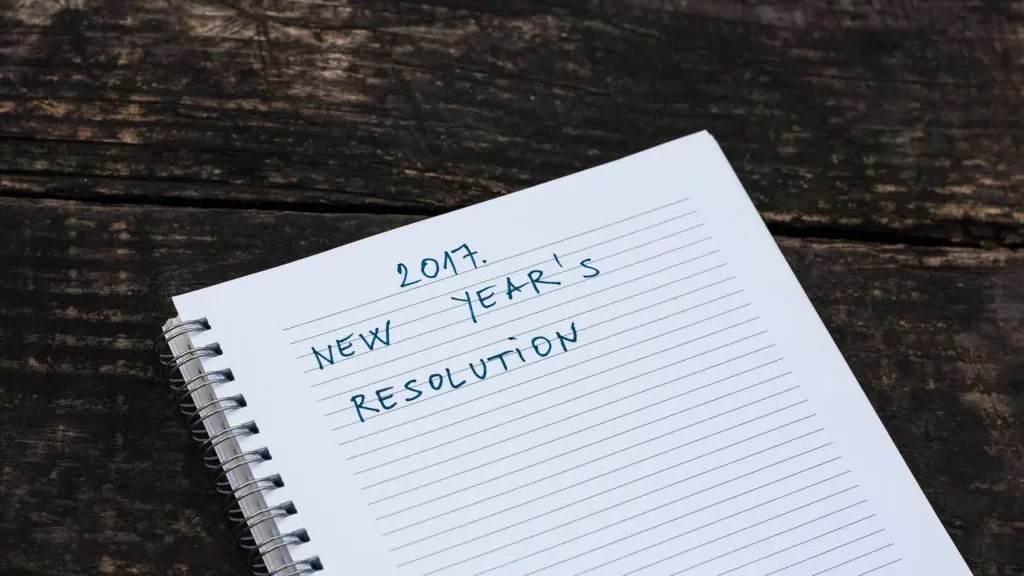
“New year, new me,”we always say. We promise to stick to our resolutions, even though they’re often vague and make success hard to define. “I’m going to eat better,” or “I’m going to spend less,” usually pop up as common resolutions, but what about “I’m going to be a better student”?
But what does “being a better student” mean? Better grades? A higher GPA? A happier, less stressful school life? No matter the result you’re looking for, success is built on creating effective habits. Here are some tips that should help you reach your goals:
Participate in Class More Often
Think about the last time that you raised your hand in class and asked your teacher a question. Was it “just to make sure” of something? Or was it a question that related to the material that wasn’t already covered by the teacher?
Teachers notice when you ask questions about the lesson, and when you ask about concepts directly related to the material, they can tell you’re engaged with the subject. Not only that, but the more you ask about the subject, the more you’ll get out of the class as a whole.
Try setting a goal of answering one or two questions in class per day or per week if you don’t already. If you do, think about the quality of your questions. Ask yourself if there’s a better way to communicate what you want to know.
Study More Effectively
There are a few ways you can go about this:
- Get organized: Make sure that you have a system that works for you. Maybe it’s one large binder with sections for each class, or maybe it’s a different folder for each. File your notes by date, and make sure you have your syllabus in order to look up the date certain topics were discussed.
- Study ahead: Look in the syllabus or find out from your teacher what the next topic will be and read ahead in the textbook. When you come to class, you can use this extra knowledge to ask better questions and participate more.
- Go for extra credit: When you can, look for opportunities for extra credit, not just because it’ll improve your grades, but because you’ll have a deeper understanding of the lesson.
Improve Your Reading Skills
The best way to improve your reading skills is to read. Read widely and read deeply. Read blogs (like this one), magazines, journals, and newspapers, but don’t neglect longer texts like novels and non-fiction books.
But don’t just read. After you finish every article or book, ask yourself what the writer’s intent was. If it was a longer, creative endeavor, try to pick apart symbols and images the author was trying for. If it was informative like a non-fiction book or an article, see if you can summarize the main points from the text.
Prepare Better for Tests
It’s one thing to go to class on the day of the exam after learning the material, but what about the test itself? The more you know about the test, the better you can prepare for it.
There’s a lot more to test taking than just answering questions. Knowing the format of the test and the chapters that are covered can help you focus on studying only the most relevant material and provide a structure for your reviews.
Write Better Essays
If you improve your reading skills, you’re already halfway to writing better essays. But there are a few tips that may be able to help you get even further:
- Write your first draft early: After writing your first draft, you can take a break and then come back to your essay, read through it, and find out what you need to change. You can also use the conclusion of your essay to strengthen the introduction after you’ve finished the first draft.
- Read your essay out loud: Find a private place where you can read aloud and you’ll find that you’ll catch sentences and phrases that are awkward or long more often. And once you change those, your whole essay should flow much better.
- Ask a friend to proofread: Once you’ve got a near-final draft, ask a friend to look over your essay and proofread it. You can ask them for more than just grammar corrections though! See if they could follow your line of thought through the essay, and if they were confused about anything, try going back to that paragraph and rewriting it to communicate your point better.
There’s a lot of uncertainty around “being a better student,” but it ultimately comes down to defining what that means for you, and making effective habits out of that.
If you’ve had any helpful tips work for you in the past, feel free to share in the comments!
 Eric Chase